
A Return to Tottori.
The Watanabe Art Museum
This journal entry reflects on a recent visit to the Watanabe Art Museum, and also on my very first encounter with the institution some twenty years earlier.
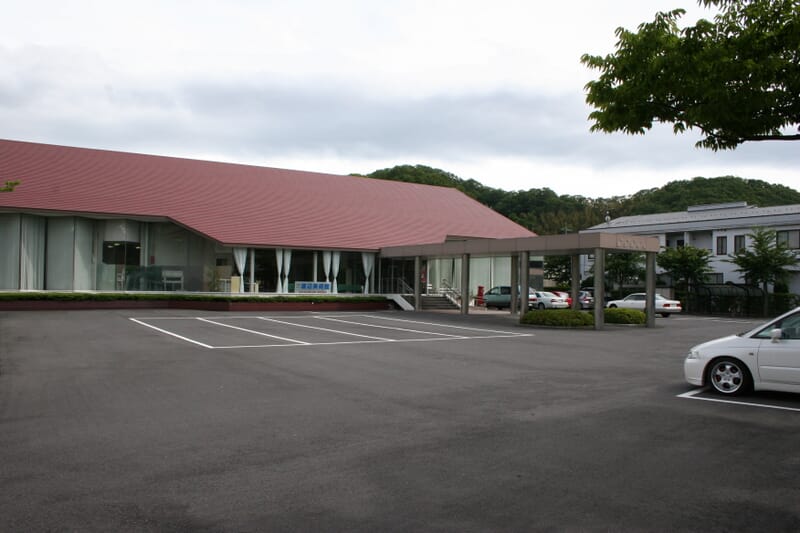
My initial visit took place in early 2005, when I was working in partnership with the museum on a publication focused on its armour collection. This was a joint venture undertaken alongside fellow historians and authors Anthony Hopson and Trevor Absolon. Our aim was to identify, document, and properly record what we considered to be the most significant armours in the collection, specifically for a Western audience.
At that time, Dr Watanabe, the museum’s founder, was already elderly and in poor health. Sadly, he was ill throughout our visit and hospitalised, which meant we were unable to meet him in person. Despite this, his presence was felt everywhere. The museum, its ethos, and its collection were unmistakably shaped by his vision and long years of dedicated scholarship.
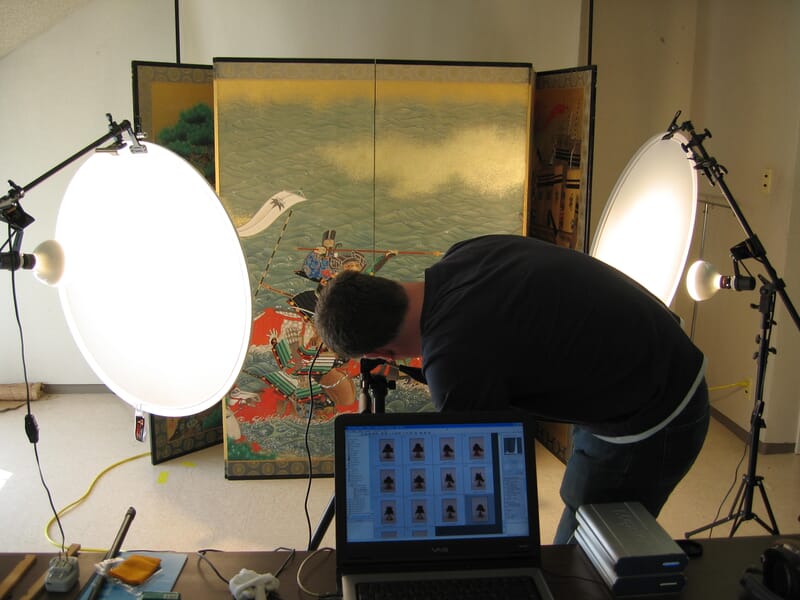
I spent just over three weeks working at the museum, my principal role being the photographic documentation for the book. The collection, as was not uncommon in long established private museums, had seen some migration of components over time. Armour elements had been interchanged, and composite suits had formed unintentionally. A significant portion of our work therefore involved carefully dismantling these groupings and reassembling the armours as accurately as possible. It was painstaking work, but essential. The resulting publication became a valuable reference and remains an important source book for Western students of Japanese armour.
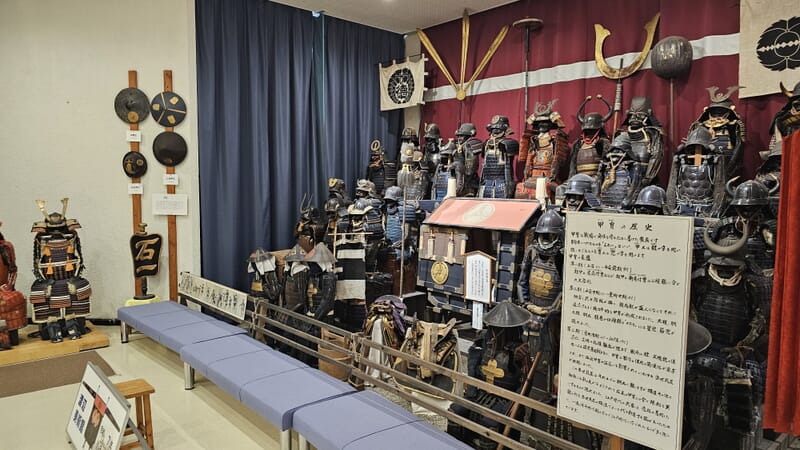
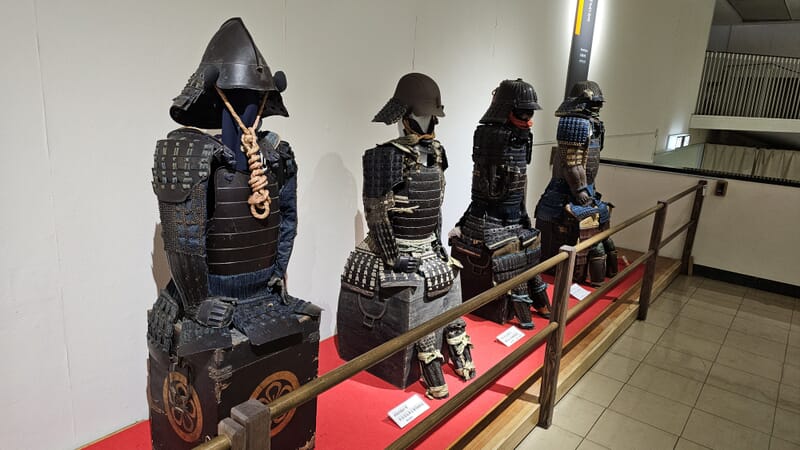
The museum is located in Tottori Prefecture, far from the main tourist routes of Japan. Historically, Tottori was the seat of the Ikeda family, daimyō of the Tottori Domain, a tozama domain with a strong regional martial identity. While not among the largest domains, the Ikeda maintained a disciplined and conservative warrior culture. The armour preserved in the museum reflects this regional character. These are functional, restrained, and often deeply personal armours, objects made for use rather than display. For serious students of armour, this lends the collection considerable importance.
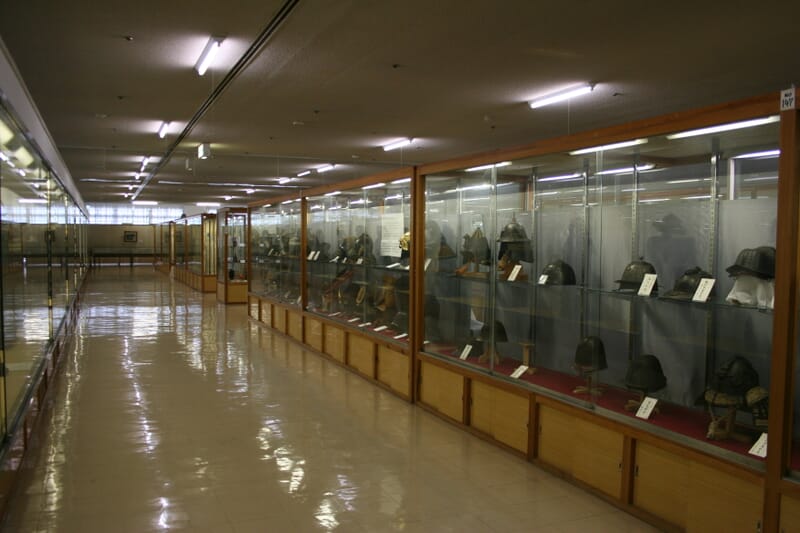
Returning some twenty years later, the visit carried a quiet sense of continuity. I was travelling in Japan with my son, and being close to Tottori, it felt essential to return. It was a pleasure to see the collection again and to reconnect with the museum staff. Particularly meaningful was meeting the former curator, Mrs Fujino, now retired, who very kindly came to visit us. Her deep familiarity with the collection and her care for its legacy remain evident.
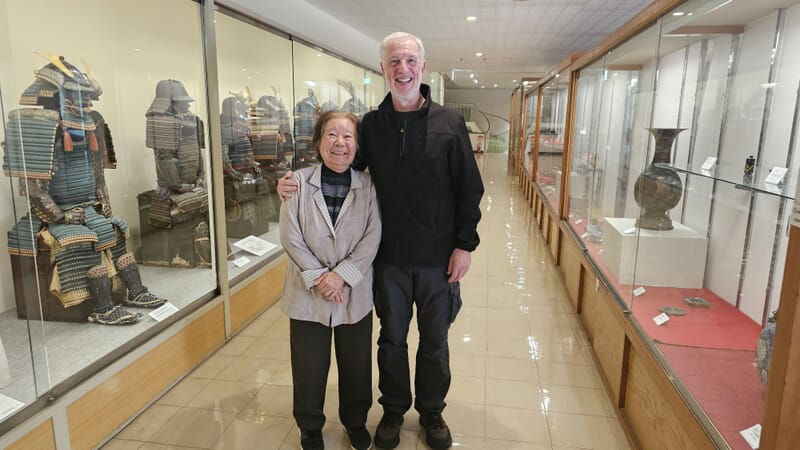
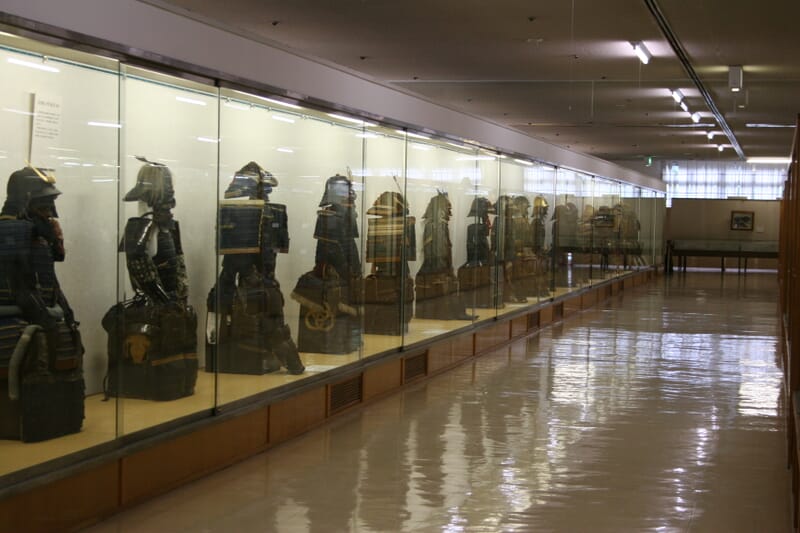
The Watanabe Art Museum houses some exceptionally fine examples of Japanese armour and is well worth extended study. Unfortunately, its location outside the normal tourist circuits means visitor numbers remain low. This is a genuine loss. The museum should be considered essential for anyone with a serious interest in samurai armour. It is not a museum for hurried visits, but one that rewards time, attention, and careful looking.
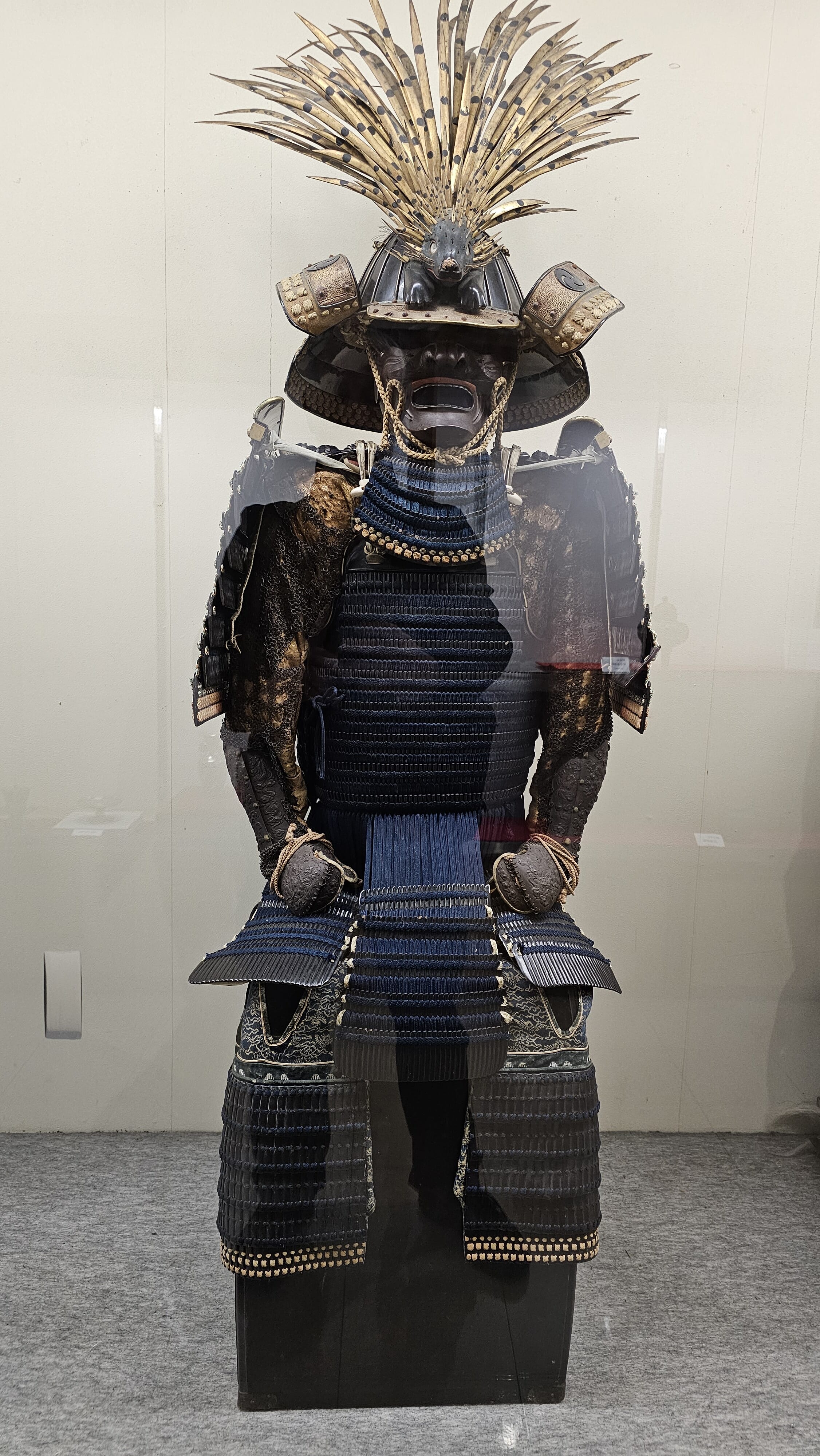
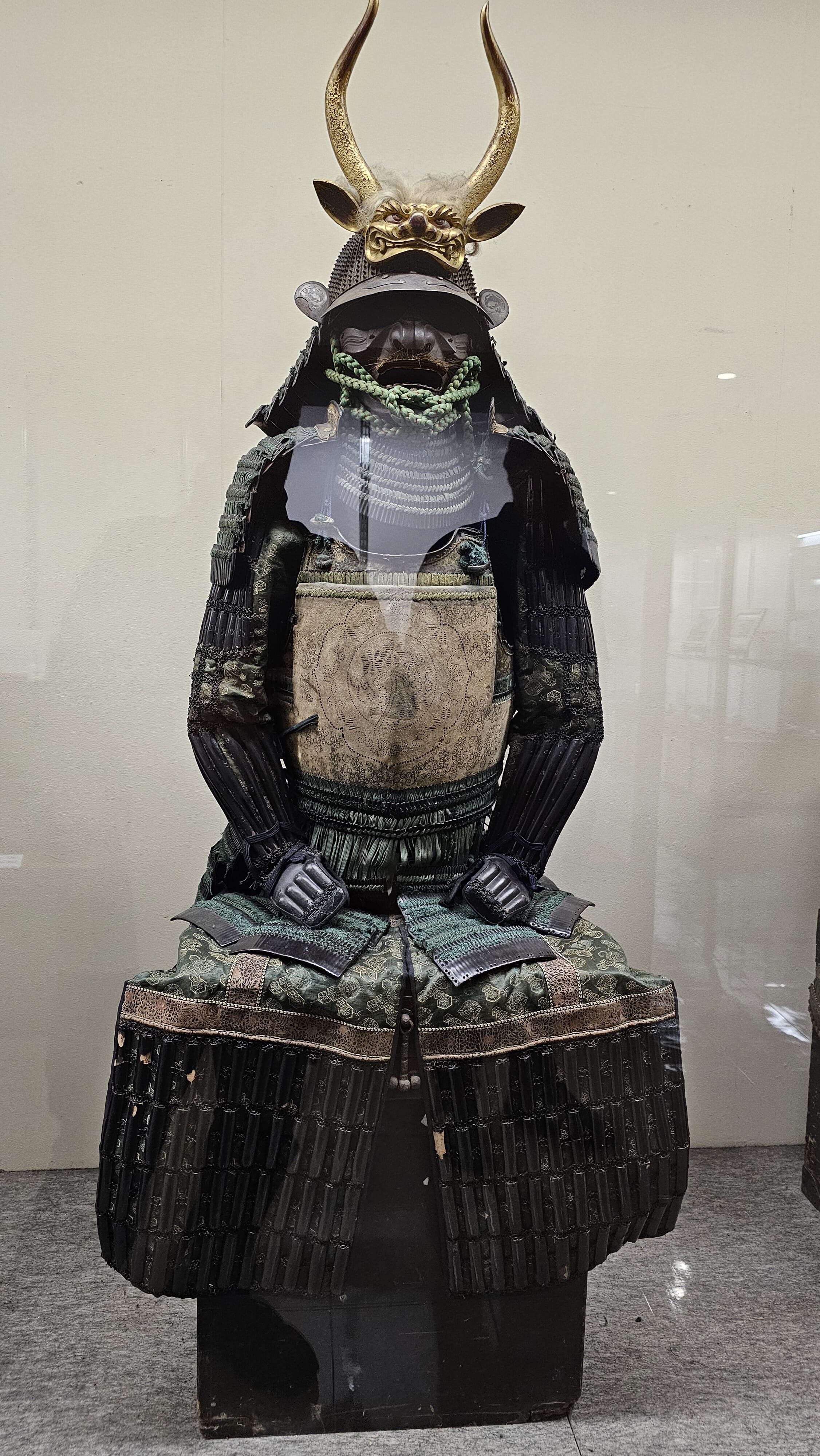
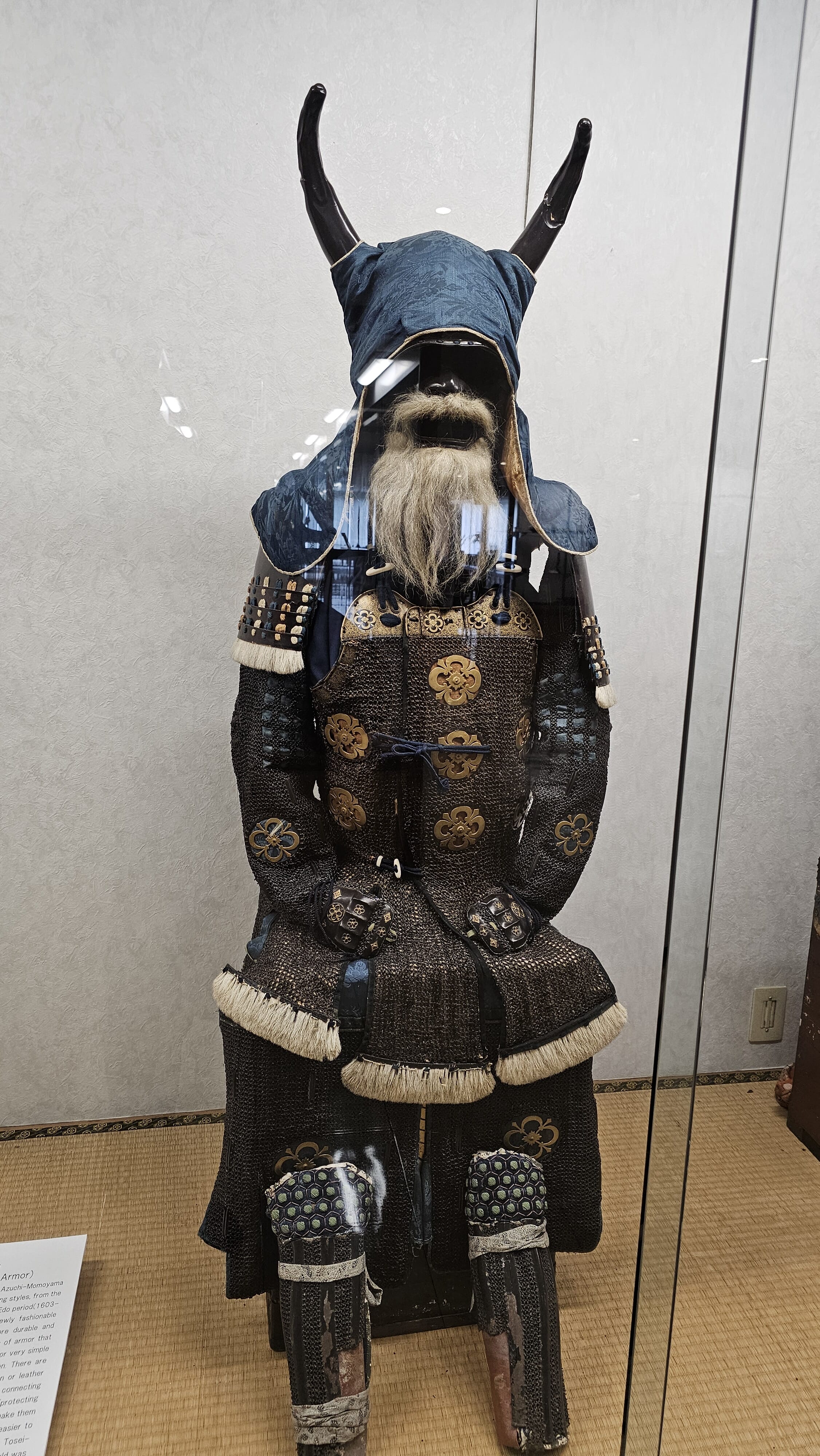
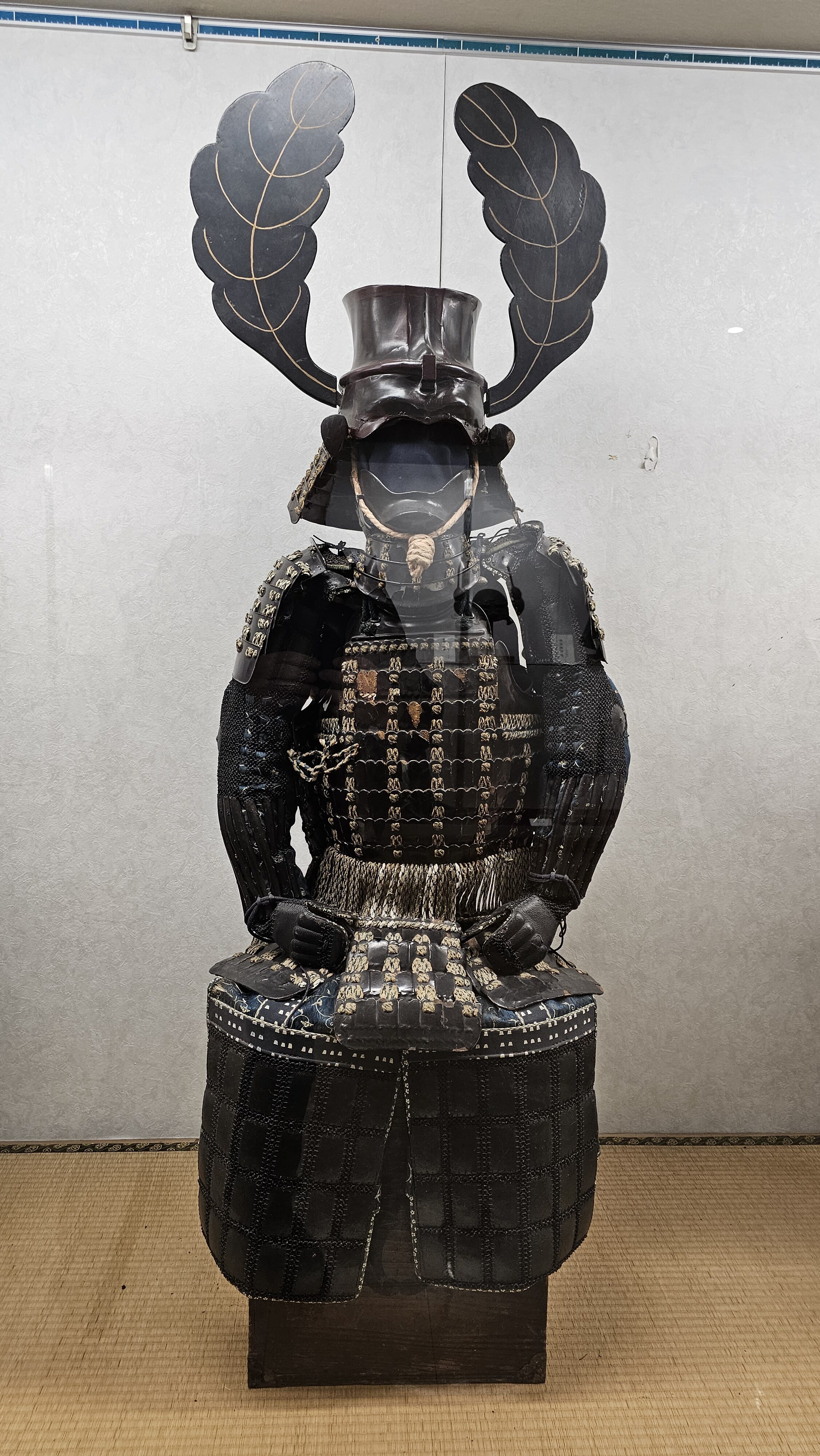
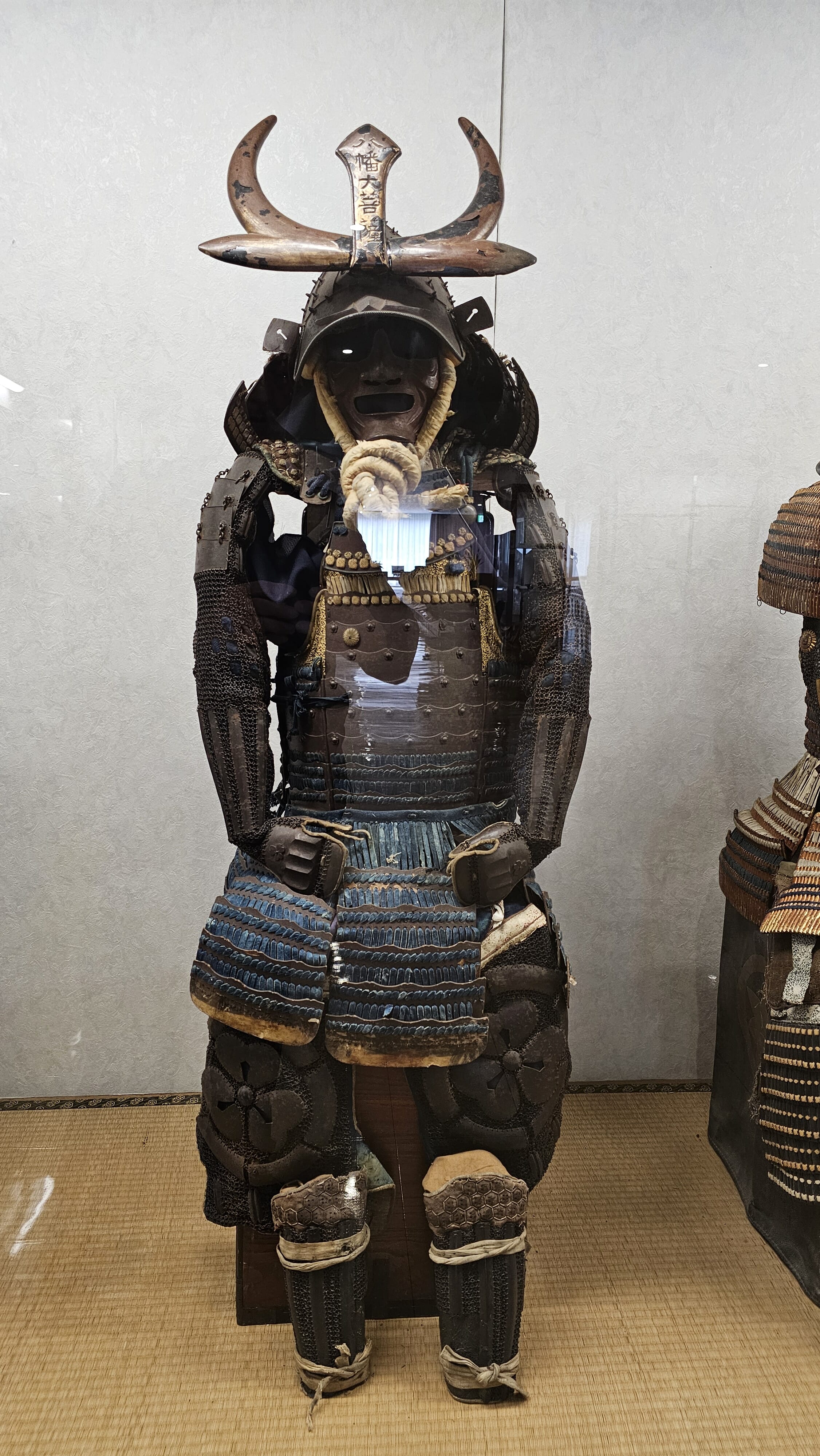
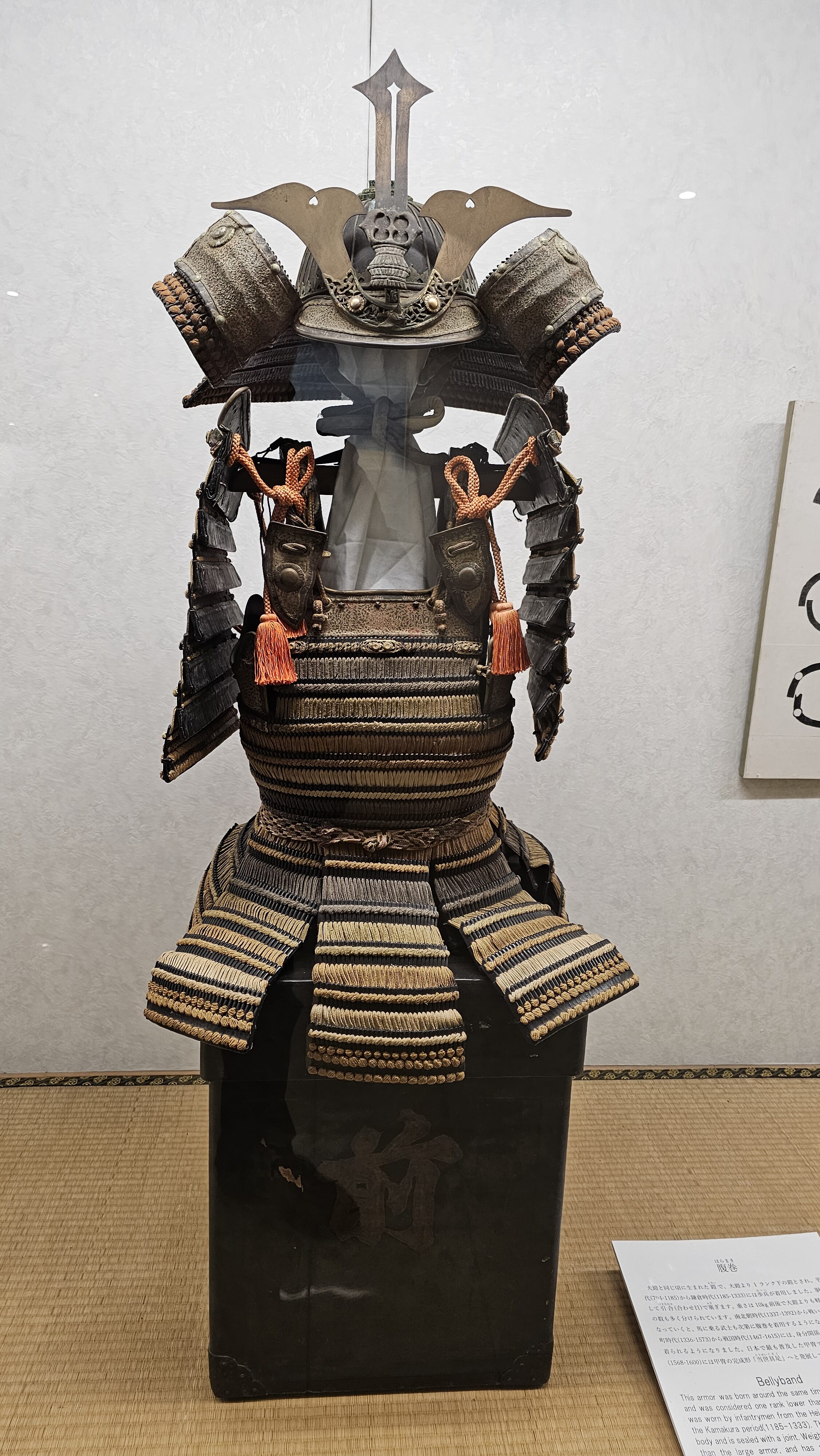
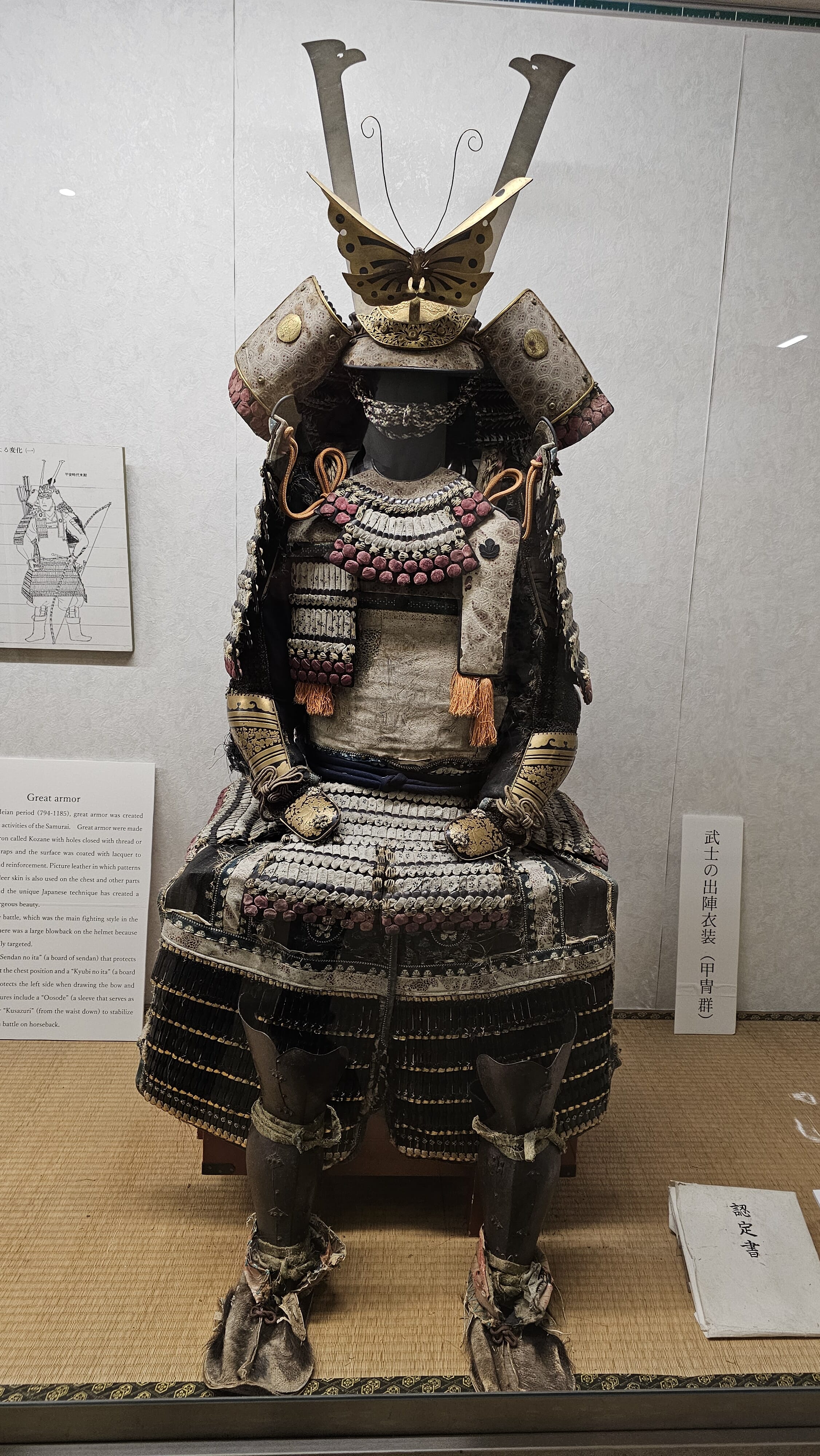
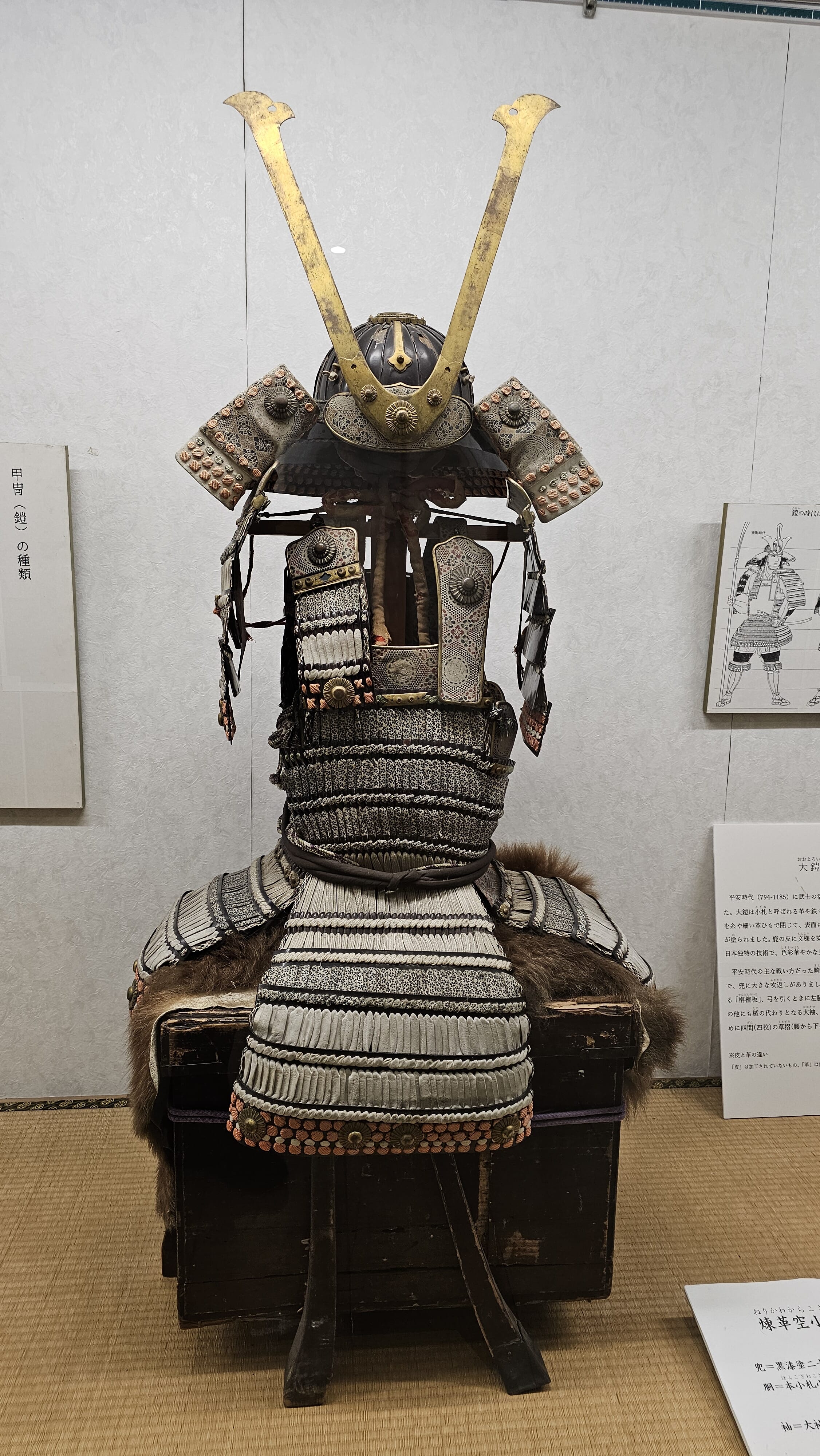
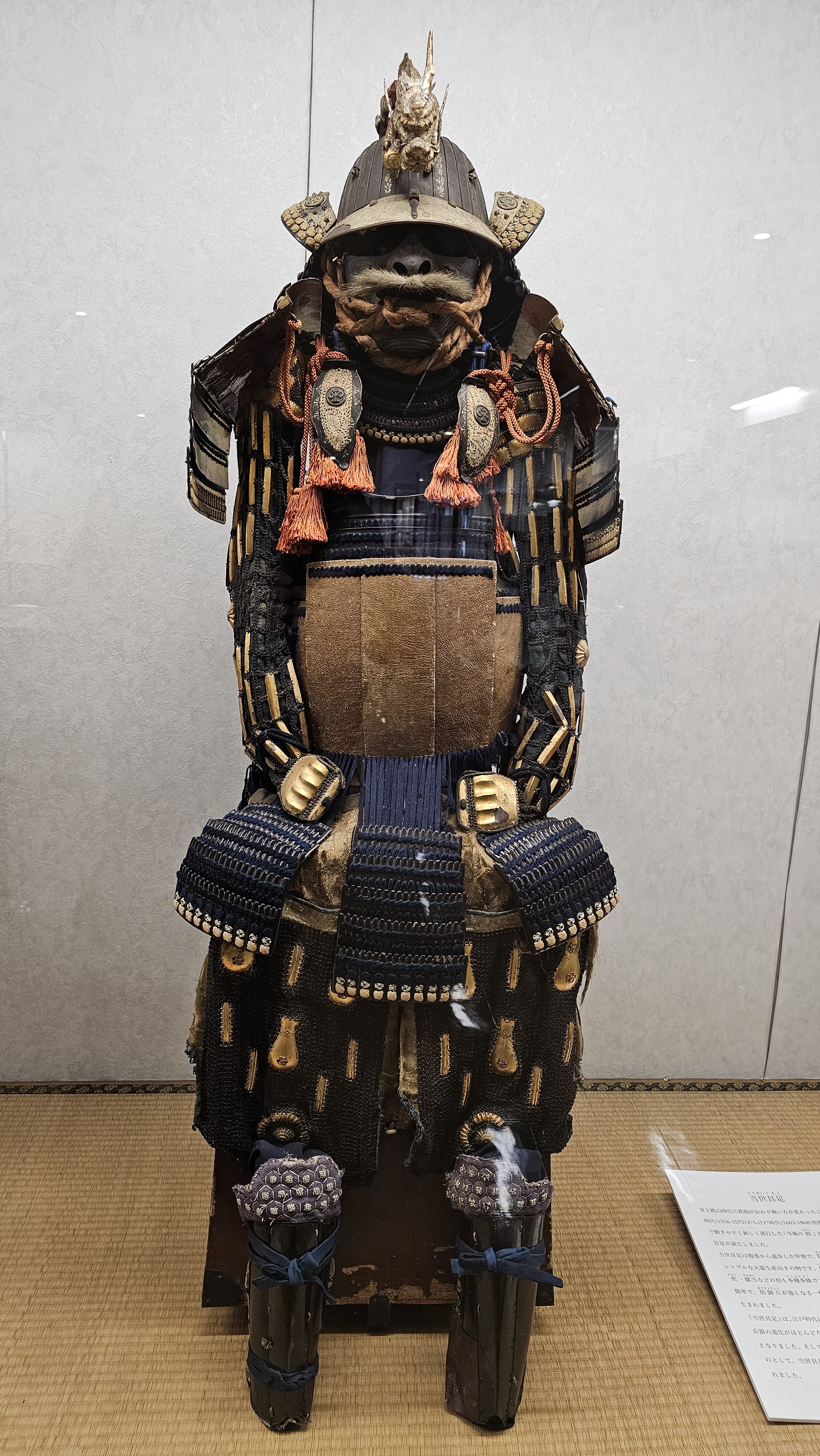
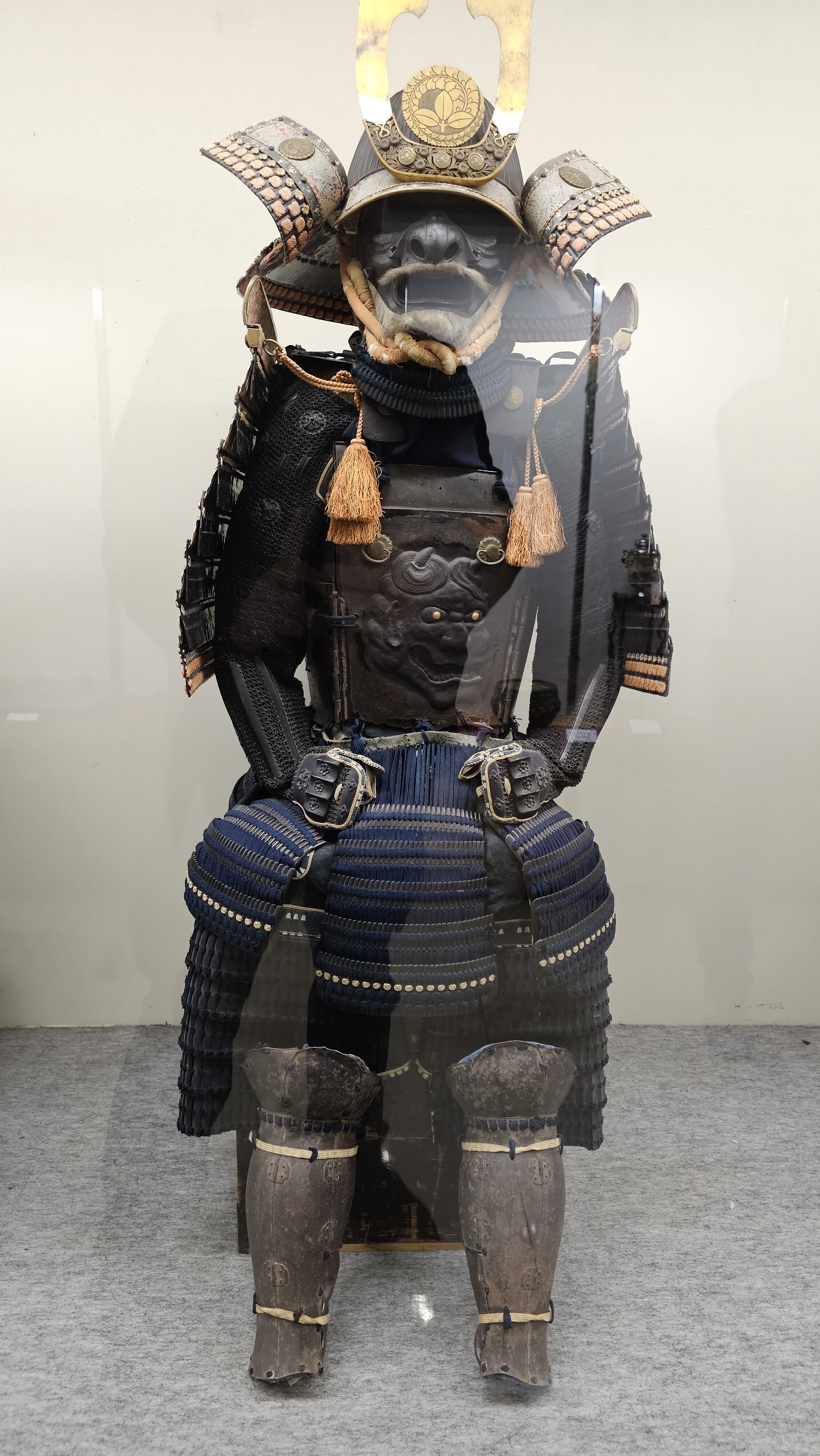
For me, returning was a reminder of where much of my own professional journey began. Not in a major national institution, but in a quiet regional museum, handling armour, correcting long standing errors, and learning directly from the objects themselves.
Publications from the Watanabe Collection
To date, three specialist publications have been produced drawing directly from objects held in the museum’s collection. Together, they represent a focused effort to make key material accessible to a wider scholarly audience outside Japan.
Samurai Armour: The Watanabe Art Museum Samurai Armour Collection Volume 1
by Trevor Absolon and David ThatcherKabuto
by David ThatcherJinbaori
by David Thatcher
Each volume focuses on a specific area of the collection, combining object based study with detailed visual documentation, and reflects the broader scholarly value of the Watanabe Art Museum as a resource for the study of Japanese arms and armour.
Closing Thoughts
n a broader sense, the Watanabe Art Museum also stands as a reminder of the vital role played by private collectors in the preservation of Japanese material culture. Long before institutional frameworks or international scholarship took notice, it was often individuals, working quietly and without expectation of recognition, who safeguarded objects that might otherwise have been dispersed or lost. Such collections are inevitably shaped by personal judgement, and sometimes by human error, but they are also shaped by passion, patience, and long term commitment.
As these private museums age alongside their founders, questions of legacy become unavoidable. What survives is not only the objects themselves, but the intent behind their preservation. In the case of the Watanabe Art Museum, that intent remains clearly visible. It is a legacy rooted in care rather than spectacle, and in study rather than display. Returning after twenty years served as a quiet reminder that the future of serious scholarship often depends on these modest, regional institutions, and on the individuals who, often against the odds, chose to build them.